About the Clinic
A space for continuity, clinical reflection, and intergenerational practice.
医蔚立足新加坡,以中医辨证论治为本。我们重视的不只是眼前症状,更以整体观理解每位患者不同的需求,并传承本地老中医多年临床经验。
About II-WAY
关于医蔚
II-WAY Health is a professional Chinese Medicine clinic in Singapore, guided by veteran local physicians and grounded in holistic assessment and sound clinical judgement.
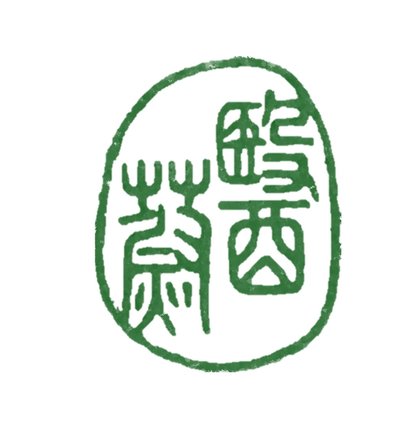
II-WAY is pronounced “e-way,” quietly echoing いい — “good” in Japanese — and a considered way of practising medicine.
We are privileged to have invited two of Singapore’s respected veteran TCM physicians out of retirement to continue their decades of clinical work, while also contributing to the transmission of medical understanding across generations.
Our clinic is shaped by a priority on quality care and a more observational approach to medicine — one that values individualized care and careful clinical judgement developed over years of practice.
Many patients who come to us are seeking not only symptom relief, but also a more thoughtful and sustained approach to understanding health over time.
医蔚立足新加坡,以中医辨证论治为本。我们重视的不只是眼前症状,更以整体观理解每位患者不同的需求。医蔚有幸邀请本地老中医于荣退之后继续参与临床诊疗与教学传承,使多年诊疗经验得以在新的空间中延续。
Patients who resonate
For patients who prefer a quieter form of care.
- Experienced clinical perspectives shaped through close to five decades of care
- More individualized approaches to chronic or complex concerns
- Continuity of care rather than isolated intervention
- Considered discussion around longstanding health concerns
- A calmer and more reflective clinical environment
适合希望获得资深临床意见、重视个体化评估,并偏好安静、从容诊疗环境的患者。
Approach to Care
We believe thoughtful medicine requires time, observation, and continuity. Treatment recommendations should be guided by clinical assessment and individual progress rather than fixed treatment structures.
Every patient presents differently, and clinical responses may vary based on individual constitution, history, and the nature of the condition itself.
Our physicians place emphasis on careful assessment, observation, and ongoing adjustment where appropriate, rather than purely symptom-focused intervention.
Meaningful care also depends on clear communication and consistent follow-through.
Some conditions may benefit from longer-term observation and follow-up, while others may require only short periods of care. Recommendations are made according to each patient’s presentation and response over time.
我们相信,审慎的医疗需要时间、观察与延续。诊疗建议不以固定套餐或流程为基础,而是根据临床评估、个体情况与后续反应作出调整。
有意义的诊疗,也需要清楚的沟通与持续而一致的配合。
Understanding Health in Context
Understanding Health in Context
从整体情况理解健康
The disease name can be the starting point. It is not the whole picture.
A disease name tells us part of the story. The consultation helps us understand the rest.
Two people may arrive with the same diagnosis but need very different care. We look at how the condition is presenting in each person, what else has changed, and how the body is responding before deciding on treatment.
That is why Chinese Medicine care cannot be reduced to a list of conditions and standard treatments.
Your observations matter. Our role is to make clinical sense of them.
What patients notice about changes in their own bodies forms useful clinical information. The physician considers these observations together with consultation findings, medical history, current medication and relevant reports to determine what is clinically significant and form an overall assessment.
Following clinical assessment, the physician will recommend a treatment direction based on the patient’s condition and clinical judgement. Consistent follow-through helps the physician assess response accurately and adjust care where appropriate.
Thoughtful care includes knowing when to treat, when to observe, and when to reassess.
疾病名称可以是起点,但不能概括完整的临床情况。
疾病名称告诉我们的是其中一部分;其余的临床情况,需要通过问诊与诊察来理解。
即使诊断相同,两位患者所需要的诊疗也可能很不一样。医师会结合疾病在个人身上的表现、身体变化与整体状态,再判断适合的诊疗方向。
因此,中医诊疗不能简化为一张疾病清单,再对应固定治疗。
您对身体变化的观察很重要。医师的责任,是从中作出临床判断。
患者所观察到的身体变化,是有价值的临床资料。医师会结合问诊与诊察、病史、目前用药及相关检查报告,判断哪些信息具有临床意义,并形成整体判断。
完成临床评估后,医师会根据患者实际情况及专业判断提出诊疗方向。持续而一致的配合,有助于医师较准确地观察身体反应,并在需要时调整诊疗。